
Updated May 2026
Itโs one of the most asked questions in my 38 years as a licensed insurance agent. Do I really have to buy that insurance from the rental car company?
The answer is not always simple, and saying yes or no without understanding your current coverage can cost you money or leave you exposed. Here is a clear breakdown of what rental car insurance is, what you might already have, and when it actually makes sense to buy it.
What Is Rental Car Insurance?
When you rent a car, the rental company offers several types of coverage. The most common include:
- Collision Damage Waiver, often called CDW or LDW
- Liability coverage
- Gap Coverage
- Loss of Use
- Personal effects coverage
These are not all true insurance policies. Some are waivers that shift financial responsibility away from you if something happens to the vehicle.
Do You Already Have Coverage?
Before you agree to anything at the rental counter, check these three places:
1. Your Personal Auto Insurance
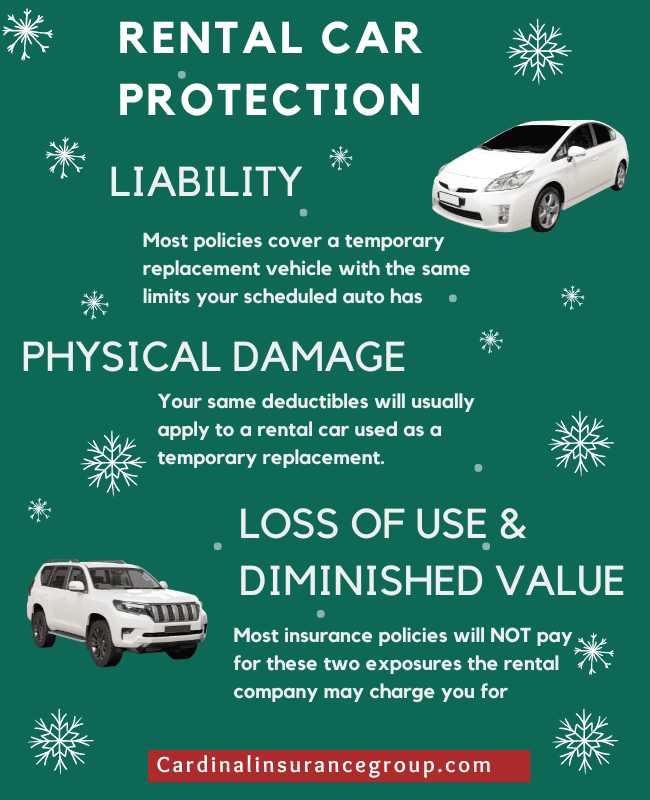
If you have an existing auto policy, it typically extends to rental cars within the United States. This usually includes:
- Liability coverage
- Collision and comprehensive, if you carry it on your own vehicle
However, your policy limits and deductibles still apply as well as any surcharges for claims that are paid out on your behalf by your personal insurance carrier.
2. Your Credit Card Benefits
Many credit cards offer rental car protection if you use the card to pay for the rental. This is often:
- Secondary coverage, meaning it kicks in after your auto insurance
- Focused on damage to the rental car, not liability
Some premium cards offer primary coverage, which can be valuable.
Warning here: It is critical that your read and understand what your credit card limitations are. If you use the vehicle in a way or in a place (mudding/hill climbing/non-accessible roads) that the rental carโs contract excludes, you can very well be without any coverage.
You will also want to check the value limitations with your credit card company. If you rent a $120,000 SUV, does your credit card limit the physical damage to $75,000?
3. Travel Insurance Policies
Certain travel insurance plans include rental car protection, though this is less common and often limited. Again, reading of contracts is important in these situations.
When Should You Consider Buying Rental Car Insurance?
There are situations where purchasing coverage from the rental company makes sense:
You Do Not Have Auto Insurance
If you do not carry a personal auto policy, you will need coverage from the rental company.
You Want to Avoid Filing a Claim on Your Policy
Even if you are covered, an accident could impact your insurance rates. A damage waiver can help you avoid that.
You Are Traveling Internationally
Most personal auto policies do not extend outside the United States and Canada. In this case, rental company coverage is often necessary.
You Want Simplicity and Peace of Mind
Rental coverage can reduce the hassle of dealing with claims, paperwork, and reimbursement processes.
What Coverage Matters Most?
If you decide to purchase coverage, focus on these:
- Collision Damage Waiver: Covers damage to the rental car
- Liability Coverage: Protects you if you injure someone or damage property
- Loss of Use: If the vehicle is in a body shop being repaired from your accident, the rental car company can charge you for the rental income they are losing
- Diminished Value: Once a vehicle has been involved in an accident, the turn in value to the rental car company is lower. They can charge you for that dimished value.
The other add ons, like personal accident or personal effects coverage, are often duplicative of health insurance or homeowners insurance.
How to Decide at the Counter
Before your trip, take a few minutes to:
- Call your insurance agent and confirm your coverage
- Review your credit card benefits guide
- Understand your deductible and limits
Walking into the rental counter prepared helps you avoid rushed, expensive decisions.
The Bottom Line
You may not care to buy rental car insurance, but you do need to understand what coverage you already have. The right choice depends on your current policy, your risk tolerance, and where you are traveling.
If you are unsure, a quick review with your insurance advisor can save you both money and stress before your trip even begins.
Cardinal Insurance Groupย ย ย ย ย ย ย Trusted Guidance. Personalized Service Written by Linda M. Fisher, AAI, CIC, CPRIA, CPRM, LIC, LUTCF โ Agency Founder & Owner
